
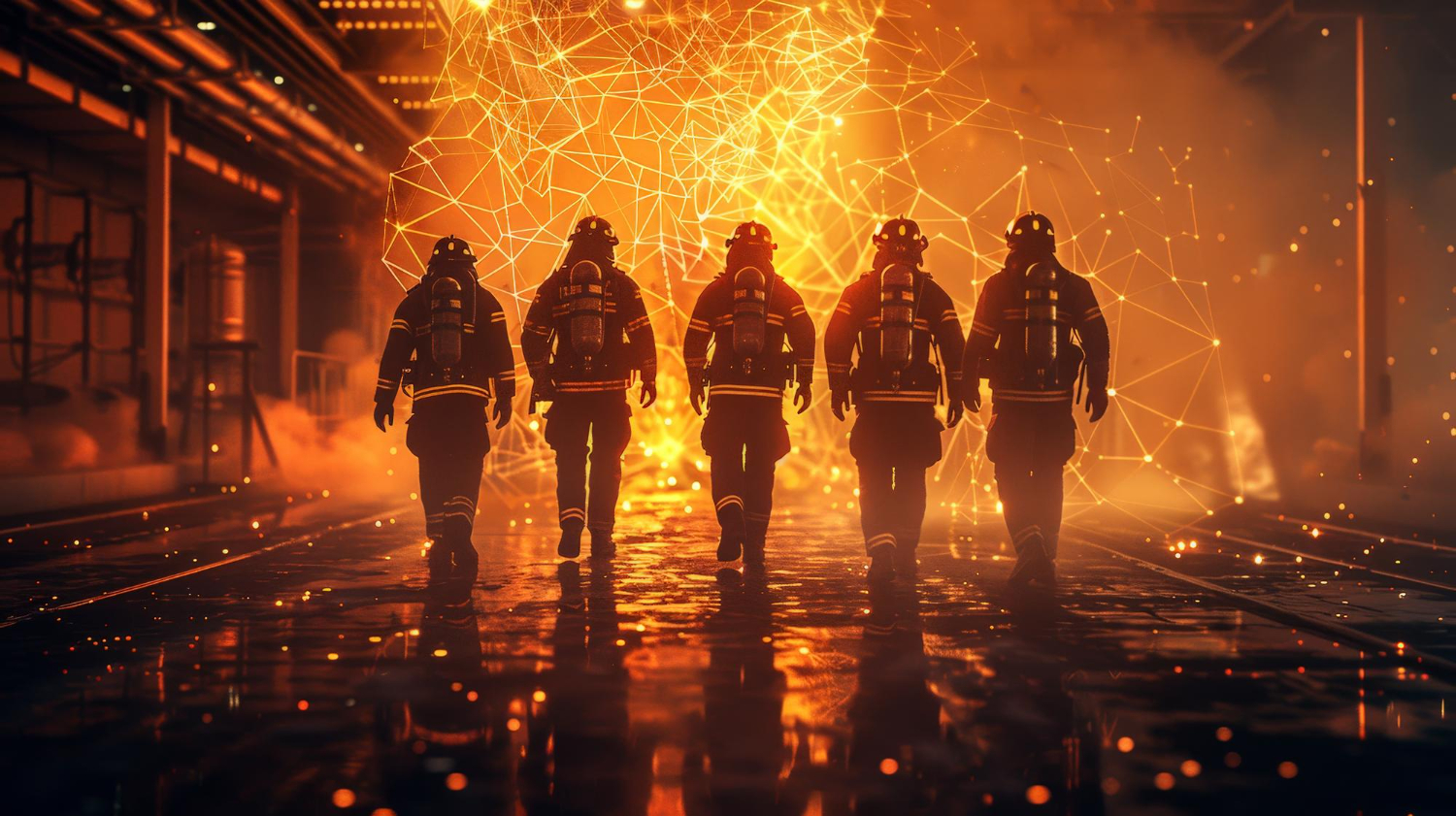
Prayagraj is gearing up to transform the 2026 Magh Mela into a fire-free zone through an unprecedented deployment of advanced fire safety infrastructure and cutting-edge technology. The mela police have established a comprehensive network of 20 fire stations strategically positioned across seven sectors of the expansive fair area, marking a significant expansion of safety protocols compared to previous years.
This ambitious safety initiative reflects the administration’s commitment to protecting millions of devotees who will gather for this sacred event. With large congregations, temporary structures, and cooking activities creating potential fire hazards, the enhanced fire safety measures represent a proactive approach to preventing and managing any fire-related emergencies during the mela period.
Expanded Fire Station Network Deployment
Strategic Sector Coverage
The establishment of 20 fire stations across seven designated sectors ensures comprehensive coverage of the entire mela area. This strategic distribution allows fire personnel to reach any location within minutes, significantly reducing response times during emergencies. Each fire station has been equipped with state-of-the-art firefighting equipment and staffed with specially trained personnel ready to respond 24/7 throughout the mela period.
The sector-wise deployment takes into account crowd density patterns, temporary structure concentrations, and high-risk zones where cooking and heating activities are concentrated. This intelligent placement maximizes the effectiveness of the fire safety network while ensuring no area remains vulnerable.
AI-Powered Fire Detection Technology
Intelligent Monitoring Systems
Perhaps the most groundbreaking addition to this year’s safety infrastructure is the deployment of AI-enabled fire detection cameras throughout the mela grounds. These sophisticated surveillance systems represent a quantum leap in proactive fire prevention, utilizing artificial intelligence to identify potential fire outbreaks in their earliest stages.
The AI-powered cameras continuously monitor the entire mela area, analyzing visual data in real-time to detect smoke, flames, or heat signatures that could indicate a developing fire situation. Upon detecting any suspicious activity, these intelligent systems instantly transmit alerts to the central control room, enabling immediate dispatch of fire response teams.
Real-Time Alert Systems
SP (Magh Mela) Neeraj Pandey emphasized the importance of this technology: “The AI-enabled fire detection cameras will monitor fire incidents and instantly send alerts to the control room, allowing fire stations to respond at the earliest. The motto is to ensure quick action to contain any fire emergencies and keep the event safe.”
This automated alert mechanism eliminates the critical time lag between fire detection and response initiation, potentially saving lives and preventing small incidents from escalating into major disasters.
Advanced Equipment and Rapid Response Systems
Specialized Fire Vehicles and Tools
Apart from increasing the number of fire personnel compared to the 2024 Magh Mela, the administration is deploying additional state-of-the-art equipment designed specifically for the unique challenges of managing fire safety in a massive temporary settlement. Advanced rescue tenders equipped with the latest firefighting technology will be stationed at strategic locations, ensuring rapid deployment capabilities.
The equipment inventory includes 1,500 special fire extinguishers distributed throughout the mela area, providing immediate firefighting capability at every location. These specialized extinguishers are designed to handle various types of fires that might occur in the diverse mela environment, from electrical fires to those involving cooking equipment.
Specialized Fire Personnel Training
Elite Response Teams
Recognizing that advanced equipment requires skilled operators, the fire department has established 50 specially trained teams dedicated to mela fire safety operations. These elite firefighters have undergone intensive training specific to the challenges of managing fire emergencies in crowded, temporary settlements where conventional firefighting approaches may not always be applicable.
Advanced firefighters will be stationed in all sectors, ensuring that expert personnel are always within reach of any potential emergency. Their training encompasses not just firefighting techniques but also crowd management, emergency evacuation procedures, and coordination with other emergency services.
Strategic Fire Hydrant Infrastructure
Sixty-Meter Response Grid
To further reduce response times and enhance firefighting capabilities, the department has implemented an ambitious fire hydrant network with installations every 60 meters throughout the mela area. This dense hydrant grid ensures that firefighters never need to travel far to access water supplies, a critical factor in rapidly containing fire incidents.
The strategic placement of these hydrants follows careful analysis of the mela layout, ensuring adequate water pressure and flow rates at every location. This infrastructure represents a significant investment in permanent fire safety capabilities that will benefit future mela events as well.
Comparing 2025 and 2026 Safety Measures
Dramatic Infrastructure Expansion
The scale of improvement becomes evident when comparing the 2026 Magh Mela preparations with the 2025 Maha Kumbh. While the 2025 event established 14 temporary fire stations, the 2026 mela will feature 20 stations—a 43% increase in fire station coverage.
Similarly, the number of temporary fire posts will rise from 10 to 15, providing additional quick-response capabilities throughout the mela grounds. Fire watch towers, essential for early visual detection of fire incidents, will increase from 15 to 20, creating a more comprehensive surveillance network that complements the AI-powered camera systems.
This substantial expansion reflects lessons learned from previous events and the administration’s determination to set new standards in mela fire safety management.
Fire Watch Towers and Monitoring Posts
Multi-Layer Surveillance Approach
The 20 fire watch towers positioned throughout the mela area provide crucial elevated vantage points for continuous visual monitoring. These towers enable fire personnel to spot smoke or flames quickly, even in crowded areas where ground-level detection might be delayed. The watch towers work in conjunction with the AI camera systems, creating a redundant, multi-layer detection network that maximizes the chances of early fire identification.
The 15 temporary fire posts serve as forward operating bases, positioned to provide immediate response capabilities in high-traffic areas. These posts are equipped with essential firefighting equipment and staffed by trained personnel who can initiate emergency response while larger fire station units are en route.
Camp Safety Guidelines and Protocols
Fifteen-Point Prevention Strategy
Recognizing that prevention is always better than response, the administration plans to issue comprehensive directives to camps of seers, saints, and kalpwasis who will be camping throughout the mela period. These guidelines will outline essential precautionary steps helpful for containing fire risks within camp areas.
The 15-point guideline being developed addresses various aspects of fire safety, including proper cooking practices, safe use of heating equipment, electrical safety protocols, emergency evacuation procedures, and placement of fire extinguishers within camps. By empowering camp organizers with clear safety protocols, the administration aims to create a culture of fire awareness throughout the mela.
Conclusion: Comprehensive Fire Prevention Strategy
SP Neeraj Pandey summarized the overall approach: “Extensive preparations have been made, including the deployment of advanced rescue tenders and 50 specially trained teams. Moreover, to control fire incidents, 1,500 special fire extinguishers are being provided.” The goal is clear—to quickly contain any fire accidents and ensure the event remains safe for all attendees.
The 2026 Magh Mela fire safety infrastructure represents a holistic approach combining advanced technology, strategic infrastructure, trained personnel, and community engagement. From AI-powered detection to dense hydrant networks, from specialized response teams to comprehensive camp guidelines, every element works together to create multiple layers of protection. This integrated strategy doesn’t just aim to respond to fires—it aims to prevent them entirely, fulfilling the ambitious vision of a truly fire-free mela.
Cover the latest EHS news updates with a single click. Follow DistilINFO EHS and stay ahead with updates. Join our community today!

Leave a Reply